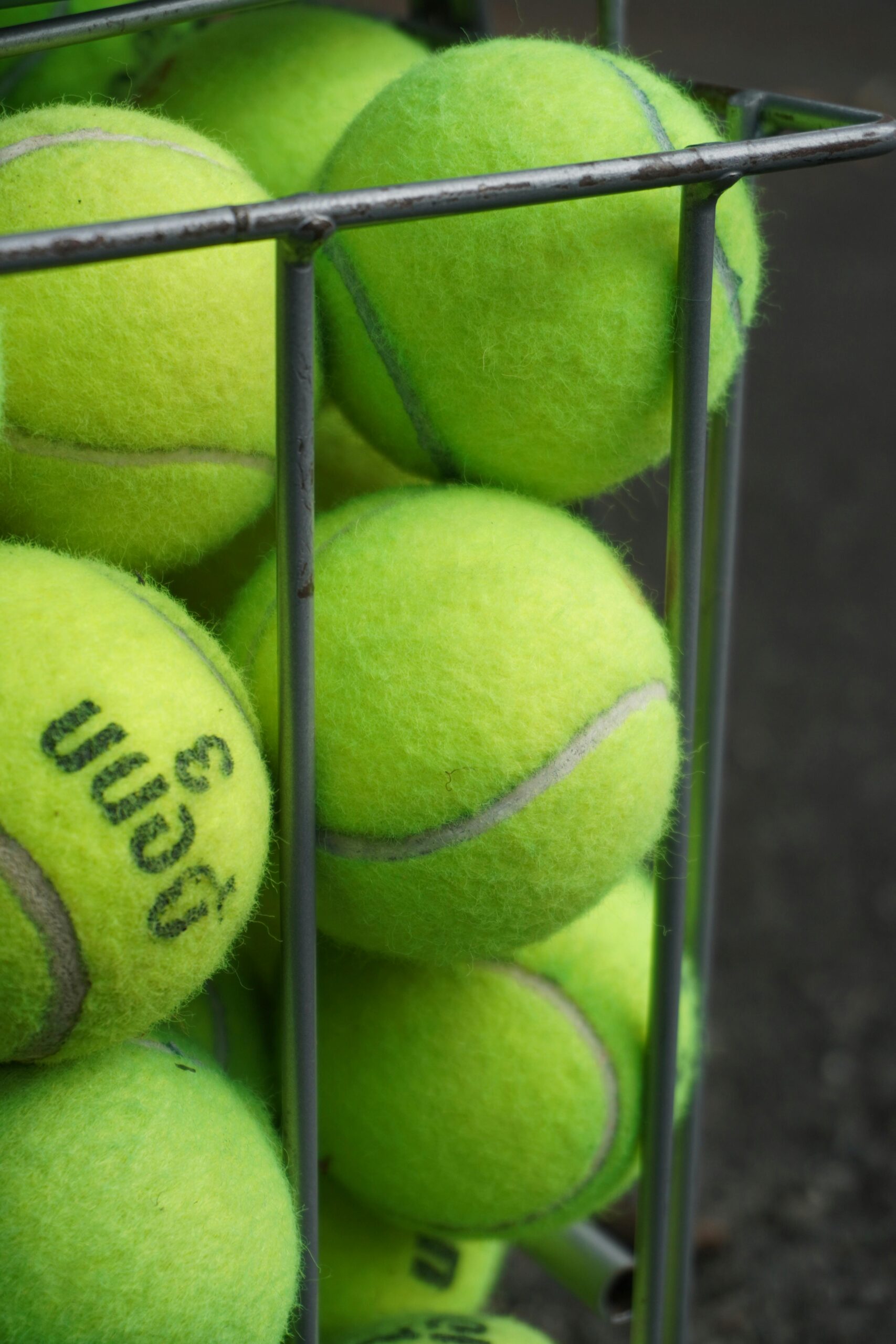
If you’ve been playing padel for a while, you already know that not all balls are created equal. The right ball can make a real difference to how the game feels — the bounce, the speed off the racket, how long it holds up in a long session. Pick the wrong one and you’ll notice pretty quickly.
This guide covers what actually matters when choosing padel balls, and which options are worth your money at different price points.
What Makes a Padel Ball Different from a Tennis Ball?
Padel balls look almost identical to tennis balls, but they’re not the same. They’re pressurized slightly lower — typically between 4.6 and 5.2 kg/cm² — which gives them a slightly softer, more controlled bounce suited to the enclosed glass-and-mesh court.
Using tennis balls instead won’t ruin a casual game, but you’ll notice the difference in bounce height and speed. In competitive play or regular training, proper padel balls are worth it.
Key Factors to Consider
1. Pressure and Bounce
This is the biggest variable. Official padel balls are tested to bounce between 135 and 145 cm when dropped from 2.54 meters. Balls that are too lively make the game frantic; too flat and the game loses its rhythm.
Fresh-from-the-can balls are always closest to spec. The question is how quickly they lose pressure once opened — and this varies a lot between brands.
2. Felt Quality
The felt affects how the ball grips the racket strings and how it travels through the air. Thicker, denser felt gives more control but can slow the ball down faster in humid or wet conditions. Cheaper balls often use thinner felt that wears unevenly, creating dead spots after a few sets.
3. Playing Conditions
Temperature matters more than most players realize. In cold weather (below 10°C), balls lose pressure faster and bounce lower. Some manufacturers make specific “low-temperature” or “high-altitude” variants. If you play outdoors in winter, this is worth paying attention to.
4. Approved vs. Recreational
Balls approved by the World Padel Tour or the International Padel Federation have passed standardized testing. For club tournaments and serious league play, you’ll want approved balls. For casual games and training, recreational-grade balls do the job at a lower cost.
Top Padel Balls Worth Considering
Head Padel Pro S
A solid all-round choice used on the World Padel Tour circuit. The felt holds up well over multiple sessions, and the bounce stays consistent longer than most balls in this category. Slightly firmer feel, which suits players who prefer a faster game.
Best for: Club players, tournaments, regular training.
Wilson Padel
Wilson’s padel line has improved significantly in recent years. Good balance between durability and softness — slightly more forgiving on the arm during long sessions. The felt wears evenly, which is a detail worth noting.
Best for: Recreational players, beginners, social games.
Bullpadel Premium Pro
A popular choice at the club level across Spain and Latin America, where padel has its deepest roots. Consistent pressure, decent felt longevity, and competitively priced relative to performance. FIP approved.
Best for: Club players looking for value without sacrificing quality.
Adidas Tour
Adidas has put effort into their padel ball line, and it shows. The Tour ball performs well in warm conditions and has a lively feel that many players enjoy. Tends to lose pressure slightly faster than Head or Bullpadel in cold weather.
Best for: Warm-weather play, players who prefer a more dynamic bounce.
Dunlop Pro Padel
One of the more durable options on the market. The felt doesn’t pill as quickly as some competitors, which means these hold up better across multi-hour sessions or multiple days of use. Consistent and reliable without being flashy.
Best for: Training sessions, players who want balls that last.
How Long Do Padel Balls Last?
Honest answer: it depends heavily on how you play and store them.
Opened balls start losing pressure immediately. In competitive play, most clubs change balls every 6–9 games. For casual use, a can might last two or three sessions before the bounce noticeably drops.
Storing balls in a pressurized container (there are inexpensive ball-savers available) can extend their usable life by a few days. It won’t restore lost pressure, but it slows the decline.
Buying in Bulk: Does It Make Sense?
If you play two or more times per week, buying in cases of 24 or 36 balls usually makes sense. The per-ball cost drops meaningfully, and you always have fresh balls on hand.
Just check the production date before buying bulk online — old stock can arrive already partially depressurized, even unopened.
Quick Comparison
| Ball | Level | Durability | Feel | FIP Approved |
|---|---|---|---|---|
| Head Padel Pro S | Club / Pro | High | Firm | Yes |
| Wilson Padel | Recreational | Medium | Soft | Some models |
| Bullpadel Premium Pro | Club | High | Medium | Yes |
| Adidas Tour | Club | Medium | Lively | Yes |
| Dunlop Pro Padel | Training / Club | Very High | Medium | Yes |
Final Thoughts
There’s no single “best” padel ball for everyone. If you play tournaments or serious club sessions, go with an FIP-approved ball like the Head Pro S or Bullpadel Premium Pro. If you’re newer to the game or play mostly for fun, Wilson or Adidas offer solid performance at a friendlier price.
The most important thing is consistency — using the same ball across your sessions helps you develop a reliable feel for the game, which matters more than most players give it credit for.
For official specifications and approved ball lists, the International Padel Federation publishes updated equipment standards on their website. Padel Magazine regularly tests and reviews new ball releases if you want independent performance breakdowns. And if you follow competitive play, the World Padel Tour site covers equipment used at the professional level, which is a useful reference point for serious club players.