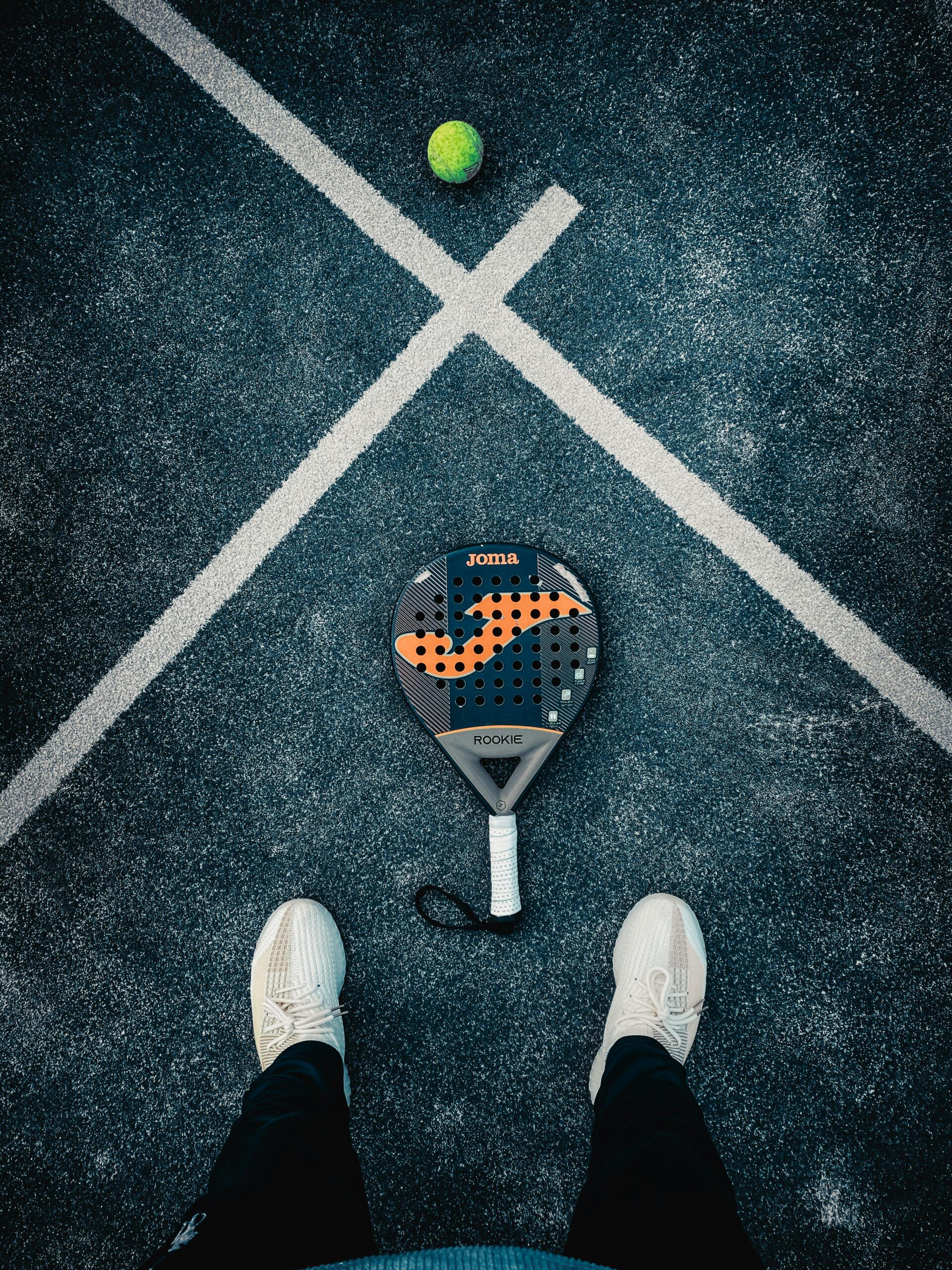
We see it every week at local courts across Miami, Austin, and LA: a new player shows up in their Nike Pegasus running shoes, excited to try padel for the first time. Within twenty minutes, they’re sliding unpredictably, gripping the surface with visible anxiety, or — worse — rolling an ankle on a lateral movement.
Running shoes are designed to move you forward. Padel requires you to move in every direction. That fundamental mismatch makes running shoes not just unsuitable for padel, but genuinely dangerous.
Here’s why — and what to look for instead.
The Problem with Running Shoes on Padel Courts
Running shoes are engineered for linear, heel-to-toe motion. Their design priorities are cushioning impact from forward running, propelling the foot forward efficiently, and being lightweight for endurance.
What they are NOT designed for includes lateral stability during side-to-side movements, quick directional changes with locked-in grip, controlled sliding on artificial grass or carpet surfaces, and ankle support during lunges and split steps.
Padel involves constant lateral movement, sudden stops, explosive lunges, and controlled slides. A running shoe’s narrow base, elevated heel drop, and forward-momentum outsole pattern create a recipe for rolled ankles, knee strain, and loss of court control.
Understanding Padel Court Surfaces
Before choosing a sole type, you need to know your court. Most padel courts in the US use artificial grass with sand infill — the global standard, especially at newer American padel facilities. Some indoor clubs use carpet or textile surfaces, and a few premium venues have mixed or panoramic court setups.
The surface type determines which sole pattern works best for you.
Clay Sole — The Herringbone Pattern
The clay sole features a herringbone (zigzag) tread pattern — the same design used in tennis clay court shoes. This is the most popular sole type for padel worldwide and the one you’ll find most readily available at US retailers.
How it works: The herringbone grooves grip the surface during lateral movements and directional changes, while allowing controlled release when you initiate a slide. The pattern channels sand and debris out from under the sole, maintaining consistent grip.
Best for: Outdoor artificial grass courts with sand infill (most US padel facilities), players who use sliding as part of their movement, warm and dry conditions, and courts with moderate to heavy sand coverage.
Characteristics: Excellent multidirectional grip, good slide control on sandy surfaces, predictable traction patterns, and the widest availability across brands in the US market.
Potential issues: On wet courts or heavily sanded surfaces, herringbone can feel too grippy and prevent natural sliding, which increases knee stress. On smooth indoor carpet, it may not grip enough.
Omni Sole — The Dot/Nub Pattern
The omni sole features small raised dots or nubs across the outsole surface. This pattern is less common in the US but specifically designed for artificial grass surfaces.
How it works: The individual nubs penetrate slightly into the artificial grass fibers, providing grip without creating excessive resistance. This allows smoother, more fluid movement and easier sliding.
Best for: Courts with longer artificial grass fibers, players who prefer a more fluid movement style, indoor courts with carpet surfaces, and wet weather play when surfaces become slippery.
Characteristics: Smoother sliding capability, consistent grip on varied surfaces, lower resistance during movement transitions, and better performance on wet courts.
Potential issues: Less aggressive grip than herringbone on dry, heavily sanded courts. Can feel loose to players accustomed to high-traction shoes.
Head-to-Head Comparison
On dry sand courts, clay sole offers high grip while omni provides moderate grip. For controlled sliding, clay is moderate while omni is excellent. On wet courts, clay drops to poor performance but omni handles it well. Indoor carpet traction shows moderate for clay and good for omni. Durability tends to be better for clay since omni nubs wear down faster. For availability in the US, clay options are extensive while omni choices remain limited — you may need to order from European retailers.
What to Look for in a Padel Shoe
Beyond the sole pattern, several features separate a proper padel shoe from everything else.
Lateral Support is the single most important feature. Look for reinforced side walls, a wide base, and a structured upper that resists rolling during side-to-side movements. Some brands add TPU wraps or cage structures around the midfoot.
Low Heel Drop matters — padel shoes typically have a 6-10mm heel drop, compared to 10-12mm in running shoes. The lower drop keeps your center of gravity closer to the court for better balance during split steps and lunges.
Toe Protection is essential because padel involves frequent forward lunges where your toes can contact the court or glass walls. A reinforced toe cap extends shoe life dramatically and protects your feet.
Breathability is crucial, especially for players in warmer US states like Florida, Texas, and Arizona. Mesh panels in the upper prevent moisture buildup that leads to blisters and discomfort.
Cushioning in padel shoes is designed to absorb impact from jumping and quick stops, focused in the forefoot and heel rather than distributed evenly like running shoes.
Budget Recommendations by Level
For beginners playing once a week, brands like Asics Gel-Padel Pro or Head Sprint offer solid entry-level options in the $50–$90 range. They provide adequate lateral support and clay soles. These are available on Amazon and most major sporting goods websites.
Гравцям середнього рівня, які грають два-три рази на тиждень, варто розглянути серії Bullpadel Hack Knit, Adidas Barricade або Joma Slam у ціновому діапазоні від 90 до 150 доларів. Вони пропонують кращу амортизацію, зносостійкість та підтримку для регулярної гри.
Advanced or competitive players benefit from premium options like the Adidas Adizero Ubersonic, Babolat Jet Premura, or Asics Solution Speed FF in the $130–$200 range. These maximize responsiveness, lateral stability, and court feel.
US availability tip: While padel-specific shoes are growing in the American market, you can also use tennis clay court shoes as an excellent alternative — they use the same herringbone pattern and offer similar lateral support. Brands like Nike, Asics, and New Balance have wide US distribution of clay court tennis shoes.
How Often Should You Replace Padel Shoes?
As a general guideline, replace your padel shoes every six to twelve months of regular play, or roughly every 60–80 hours on court. Signs that indicate replacement include visible sole wear where the pattern has smoothed out, compressed cushioning where the midsole feels flat, reduced lateral stability where the upper leans during side movements, and persistent foot or knee discomfort after play.
Artificial grass surfaces wear soles faster than hard courts. If you play on particularly abrasive courts, check your soles monthly.
The Bottom Line
Investing in proper padel shoes is the single most important equipment decision after your racket. The right shoes protect your joints, improve your movement, and give you confidence to commit to every shot.
Don’t compromise on footwear. Your ankles, knees, and game performance depend on it.
carbon fiber clay sole court shoes EVA foam frame protector latest racket omni sole overgrip padel elbow PadelGear padel grip padel shoes play protector tape racket care racket lifespan racket technology sweaty hands Wilson overgrip winter padel